Learning a new language can be challenging, but it doesn’t have to be boring or mechanical. Learning Persian through poetry offers a unique, emotionally rich, and culturally immersive way to master the Persian language. Persian (Farsi) is a language deeply connected to poetry, rhythm, and storytelling, making poetry one of the most effective and enjoyable tools for learners at all levels.
In this article, we explore how learning Persian with poetry enhances vocabulary, grammar, pronunciation, and cultural understanding, and why this method has been used for centuries—both by native speakers and language learners around the world.
Why Learning Persian Through Poetry Works
Persian poetry is not just literature; it is a living part of daily life. From classical poets to modern verses, poetry shapes how Persian speakers think, speak, and express emotions.
Learning Persian through poetry works because it:
-
Strengthens long-term memory through rhythm and repetition
-
Introduces authentic sentence structures naturally
-
Improves pronunciation and intonation
-
Builds emotional connections to the language
-
Teaches cultural values and historical context
Unlike textbook-heavy approaches, poetry allows learners to feel the language rather than simply memorize it.
The Deep Connection Between Persian Language and Poetry
The Persian language evolved alongside poetry. For centuries, poems were the primary way knowledge, ethics, philosophy, and history were transmitted. Even today, Persians quote poetry in daily conversations, speeches, and social interactions.
When you focus on learning Persian through poetry, you’re not just studying words—you’re accessing the heart of Persian culture.
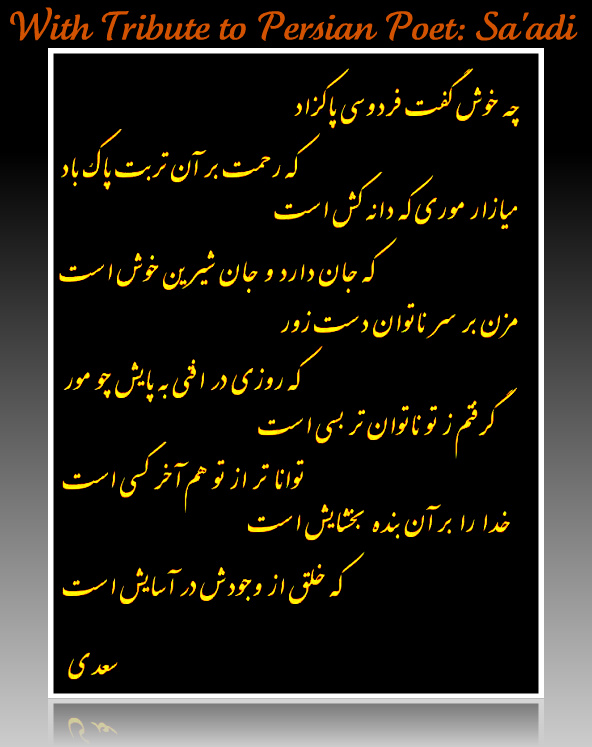
This deep integration makes poetry an ideal learning medium, especially for beginners and intermediate learners who want meaningful exposure to real Persian usage.
How Poetry Improves Persian Vocabulary Naturally
One of the biggest challenges for language learners is retaining vocabulary. Poetry solves this problem beautifully.
Repetition with Meaning
Poems repeat key words and phrases, but always within emotional or symbolic contexts. This helps learners remember vocabulary without rote memorization.
Context-Based Learning
Words in poetry appear in full sentences, metaphors, and stories. This allows learners to understand how and when to use vocabulary correctly.
High-Frequency Words
Many Persian poems use commonly spoken words, especially in modern poetry, making them perfect for everyday communication.
If your goal is expanding vocabulary, learning Persian through poetry is far more effective than isolated word lists.
Grammar Without Grammar Drills
Grammar often intimidates language learners. Persian poetry introduces grammar patterns organically.
Through poetry, learners encounter:
-
Verb conjugations in real usage
-
Sentence word order
-
Connectors and transitions
-
Tense and mood variations
Instead of memorizing rules, learners internalize them. This is one of the most powerful advantages of learning Persian through poetry—grammar becomes intuitive.
Improving Pronunciation and Listening Skills
Poetry is meant to be heard. Listening to Persian poems—especially when read aloud—helps learners:
-
Recognize correct stress patterns
-
Improve pronunciation
-
Understand natural rhythm and flow
-
Develop listening comprehension



By repeating verses aloud, learners train their ears and voices simultaneously. This makes learning Persian through poetry ideal for auditory learners.
Cultural Immersion Through Persian Poetry
Language and culture cannot be separated. Persian poetry introduces learners to:
-
Persian philosophy and worldview
-
Historical events and traditions
-
Emotional expressions unique to Persian culture
-
Metaphors rooted in Iranian life and nature
Through poetry, learners gain cultural fluency, not just linguistic accuracy.
Understanding culture helps learners communicate more naturally and avoid misunderstandings—a critical benefit of learning Persian through poetry.
Poetry for Beginners: Is It Possible?
Absolutely. Many learners assume poetry is too advanced, but that’s a misconception.
Beginner-Friendly Persian Poetry Includes:
-
Short poems with simple vocabulary
-
Modern free-verse poetry
-
Children’s poems
-
Repetitive rhythmic poems
When chosen carefully, poetry becomes an accessible and motivating tool even for absolute beginners learning Persian.
How to Learn Persian Through Poetry Effectively
To get the most out of this method, follow these steps:
-
Start with short poems
-
Read the poem aloud
-
Listen to native recitations
-
Highlight new words
-
Rewrite verses in simple prose
-
Memorize favorite lines
-
Reflect on meaning and emotion
Consistency is key. Even one poem per week can significantly improve language skills.
Poetry vs Traditional Language Learning Methods
| Traditional Learning | Learning Persian Through Poetry |
|---|---|
| Grammar-heavy | Meaning-driven |
| Memorization-based | Memory through emotion |
| Isolated sentences | Authentic language |
| Low engagement | High motivation |
Poetry doesn’t replace structured learning—but it enhances and accelerates it.
Who Should Learn Persian Through Poetry?
This method is ideal for:
-
Beginners seeking motivation
-
Intermediate learners aiming for fluency
-
Heritage learners reconnecting with Persian
-
Language lovers interested in culture
-
Teachers looking for creative resources
Whether you are self-studying or teaching others, learning Persian through poetry adds depth and joy to the process.
Final Thoughts: A Language Learned Through Beauty Lasts Forever
Languages learned emotionally last longer. Poetry connects sound, meaning, memory, and culture into one powerful experience.
If you want to move beyond mechanical learning and truly experience Persian, then learning Persian through poetry is one of the most rewarding paths you can take.
Let poetry guide you—not just to fluency, but to understanding.